

Interior Design in Dubai: Luxury Villas & Commercial Fit-Out Guide
Interior design is more than a visual art it is the foundation of how you live, work, and experience a space. In the UAE’s dynamic real estate market, especially in Dubai, interior design carries extra weight. With high rise towers, luxury villas, and ambitious commercial fit-outs, clients demand not just aesthetics but functionality, compliance, cultural resonance, and long term value.
This guide walks you through everything you need to know about interior design in Dubai:
from project types and cost expectations to planning processes, regulatory realities, and choosing the right design build partner. Whether you’re renovating a villa, fitting out an office, or planning retail/hospitality premises, this article will help you make informed, budget smart decisions.
What Interior Design Means in the Dubai Context
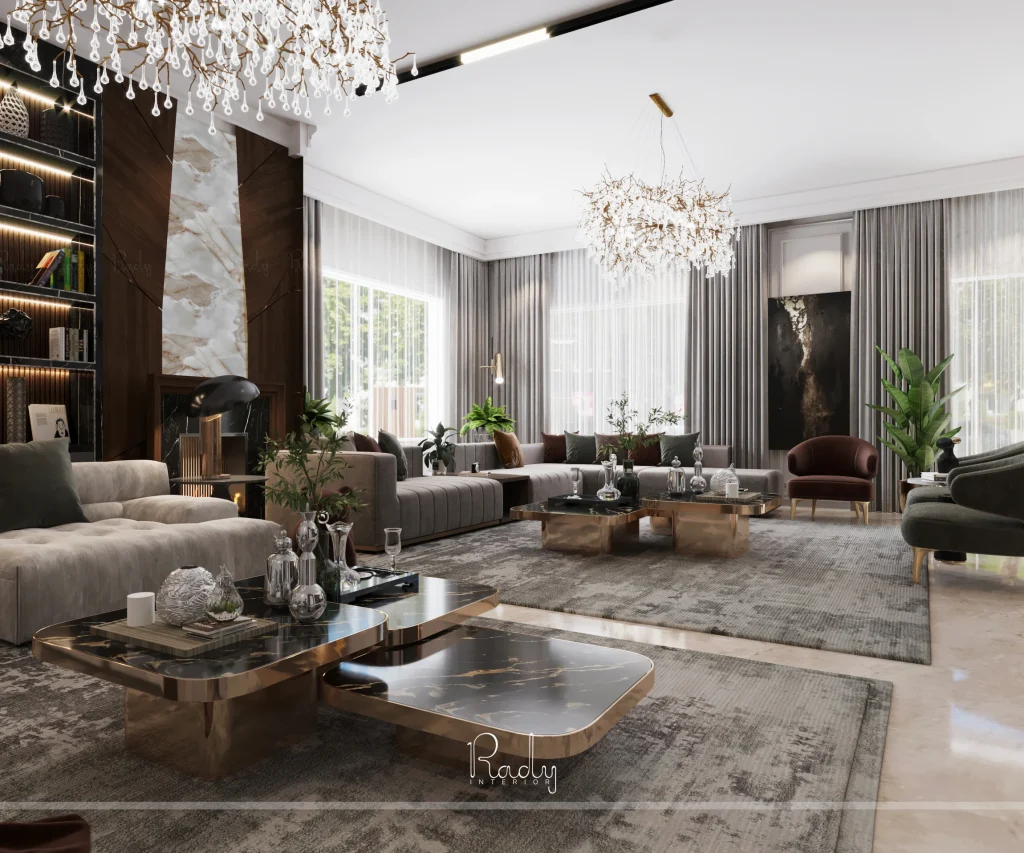
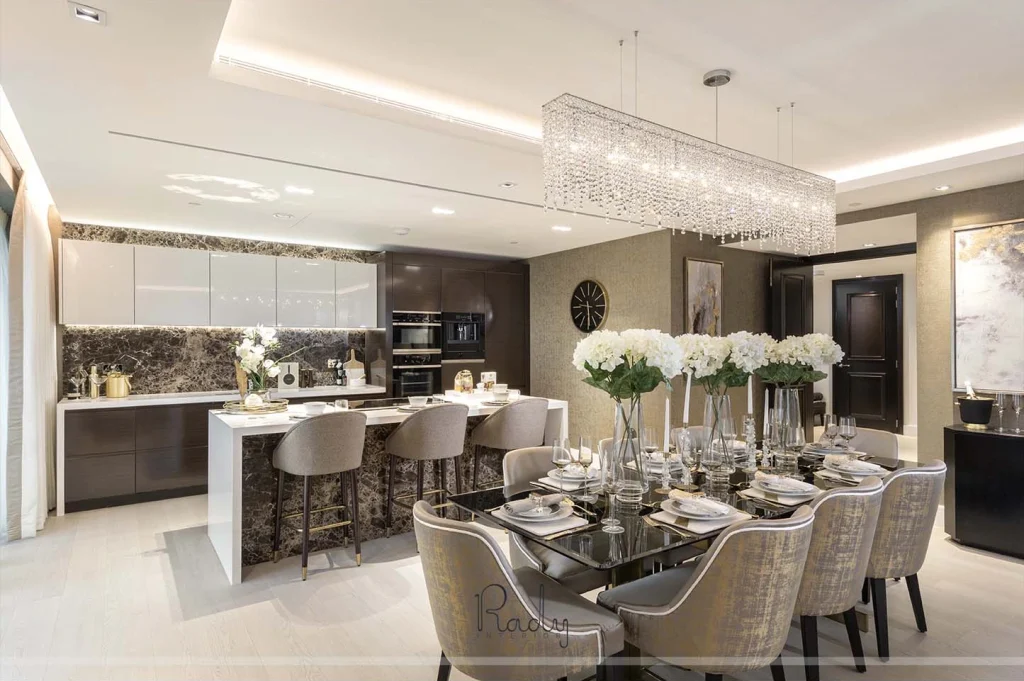


Dubai isn’t just another global city it is a rapidly evolving architectural hotspot.
That means interior design here demands more than global style:
it requires local understanding.
- Climate sensitivity: High temperatures, strong sun exposure, dust, and humidity shape material choices, insulation, ventilation, and lighting strategy.
- Building regulations & community rules: High rise towers, gated compounds, and free-zone developments often impose strict design, MEP, and finishing standards. Interior design must align with structural, fire safety, and tower management regulations.
- Cultural context: Clients often balance modern luxury with Middle Eastern traditions majlis style spaces, hospitality ready layouts, privacy zoning, and culturally appropriate aesthetics.
- Diverse project types: From ultra luxury villas and penthouses to corporate offices, co working spaces, retail outlets, cafes, restaurants, clinics each with unique requirements.
When done right, interior design adds real value:
comfort, compliance, durability, and an aesthetic that endures Dubai’s lifestyle and environmental demands.
Types of Interior Design Projects in Dubai
| Project Type | Typical Use Cases | Key Considerations |
| Luxury Villas & Penthouses | High end residential homes, family villas, expatriate housing | High quality materials, custom joinery, acoustic comfort, private amenities, MEP robustness, climate control |
| Apartments / Condos | Rental or owner occupied units | Efficient space planning, built-in storage, quick renovation timelines, durable finishes |
| Commercial Offices | Corporate offices, co-working spaces, HQ fitouts | Workstation planning, MEP capacity, acoustic zoning, lighting standards, data/network readiness, brand aligned design |
| Retail & Showrooms | Fashion boutiques, showrooms, pop up stores | Visual merchandising, lighting and display design, customer flow, durability for high footfall |
| F&B / Hospitality (Cafes, Restaurants, Lounges, Hotels) | Dining venues, boutique hotels, guest houses | Kitchen ventilation, safety & hygiene compliance, fire safety, ambient lighting, hospitality grade finishes |
| Mixed-Use / Commercial Developments | Multi purpose towers, serviced apartments, mixed office-residential units | Zoning coordination, MEP integration, shared services, modular design for flexible usage |
How Interior Design in Dubai Works (Step-by-Step Process)
1. Discovery & Brief
You meet with the design firm to clarify requirements:
- Nature of the space (villa, office, retail, etc.)
- Desired style (modern Arabic, minimalist luxury, corporate, etc.)
- Usage patterns (residential living, corporate operations, retail footfall)
- Timeline, budget, special constraints (tower rules, occupancy, landlord NOC)
2. Conceptual Design & Mood Boards
Designers sketch layout ideas and compile mood boards:
- Material samples (flooring, wall finishes, fabrics)
- Lighting plans, color palettes, spatial zoning
- Furniture suggestions, storage strategy, style direction
This helps visualize the feel and flow without commitment.
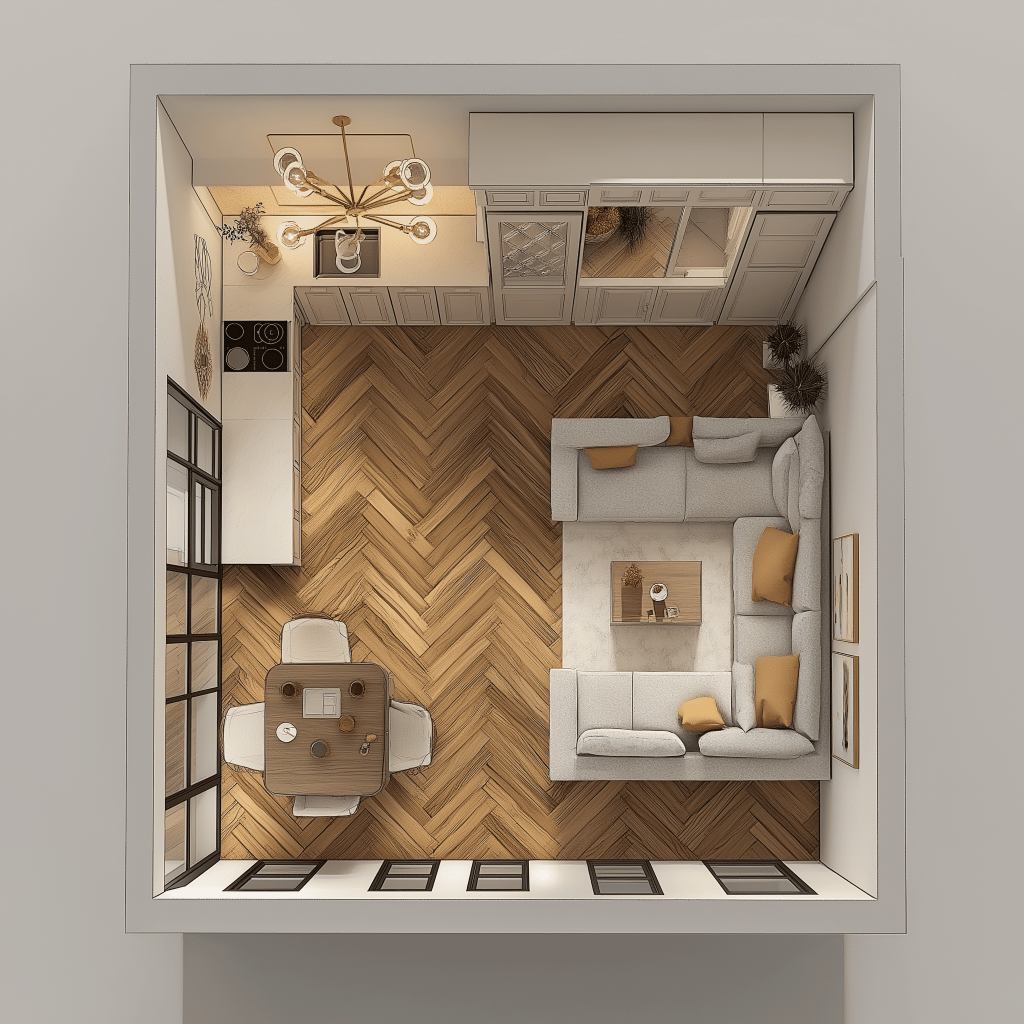
3. 3D Visualization & VR Walk-through (Optional but Recommended)
Especially useful for luxury villas and commercial fit-outs. You see how space looks and feels, test lighting, circulation, and spatial proportions. This reduces change orders and improves client satisfaction.
4. Technical Drawings & Compliance Planning
Detailed drawings: floor plans, MEP plans, joinery specs.
For commercial projects, includes:
- Fire safety compliance
- MEP load calculations
- Tower / building management regulations check
- Approvals or NOC documentation (if required)
5. Detailed Bill of Quantities (BOQ) & Cost Estimation
An accurate BOQ helps you budget realistically. It covers: materials, labour, MEP upgrades, finishing, fixtures, furniture, contingencies, and approvals.
6. Fit-Out / Renovation Execution
Actual construction and installation: flooring, ceilings, partitions, MEP, lighting, painting, joinery, finishing. If commercial: coordination with contractors, tower management, safety inspectors.
7. Quality Control, Finishing & Handover
Thorough inspection, punch-list clearance, final cleaning, handover of keys, warranty/after care instructions if applicable (especially for furniture or finish warranties).
8. Post Handover Support
Optional after care:
maintenance guidance, minor adjustments, handling snagging items, warranty & service support particularly important in luxury residences or high use commercial spaces.
This end-to-end approach ensures the final result meets design, safety, and functional expectations a must in Dubai’s complex regulatory and climatic environment.
What Interior Design Costs in Dubai: 2025–2026 Pricing Guide
Here’s a realistic cost breakdown commonly used by experienced design build firms in Dubai. Costs vary with scope, materials, finishes, and building type.
Light Interior Refresh / Low-Impact Renovation
- Cost Range: AED 200–400 per sq. ft.
- Typical Uses: repainting, light fixture upgrades, basic tiling, minor carpentry, cosmetic updates.
- Project Budget Range: ~AED 300,000 – 500,000 (for ~1,500 sq. ft. space)
Ideal when you want to refresh but keep disruption minimal. Best for apartments, small offices, or rental units needing a clean, modern look without heavy structural work.
Medium Renovation / Partial Upgrading
- Cost Range: AED 400–800 per sq. ft.
- Typical Uses: kitchen / bathroom upgrades, flooring replacement, ceiling & partition works, improved lighting, better storage solutions, minor MEP or sanitary adjustments.
- Project Budget Range: ~AED 500,000 – 750,000 (for ~1,000–1,500 sq. ft.)
Best for older villas or offices needing a functional refresh plus modern finishes and amenities.
Full / Luxury Renovation or Fit-Out
- Cost Range: AED 1,000 – 2,000+ per sq. ft.
- Typical Uses: full layout redesign, high end finishes, custom joinery and cabinetry, smart home/office automation, acoustic or MEP upgrades, luxury flooring and lighting, structural changes if permitted.
- Starting Project Budget: ~AED 750,000 – 1,000,000+ (depending on scope and size)
This level is typical for luxury villas, high end offices, premium retail, hospitality interiors, and any project where quality, durability, and luxury are non negotiable.
Hidden Factors That Drive Costs Up (What Many Clients Underestimate)
Even with a clear budget, some renovation costs become “invisible” if not planned carefully:
- Building / Tower NOC & Permit Fees — Some towers require special approvals, permits, inspections. Fees vary.
- MEP Upgrades — Old electrical or HVAC systems often need replacement or enhancement, especially in older buildings or villas.
- Structural & Fire-safety Compliance — Especially in high rises or commercial towers may require ceiling/fire rated partitions or sprinkler adjustments.
- High-end Material Lead Times / Import Delays — Luxury finishes, stone, imported materials may face shipping/duty delays → causing project delay or alternative sourcing.
- Waste Disposal & Logistics — High-rise apartments / buildings often charge for disposal, elevator booking, cleaning, after hours labor for noise restrictions.
- Design Changes / Client Revisions (Change Orders) — Every change after design freeze typically adds 5–30% to cost, depending on scope.
- Finishing & Quality Assurance — Quality control, snagging remediation, finish touch-ups — needed for premium clients, but adds time & cost.
- Smart Systems / Automation — Integration of lighting control, HVAC automation, audio/video, security systems — often underestimated in basic budgets.
Why Interior Design in Dubai Deserves Expert Handling — Don’t DIY
Because of the challenges listed above climate, regulatory requirements, building rules, material sourcing, and project coordination interior design in Dubai cannot be treated as a simple cosmetic task.
Mistakes or shortcuts may lead to:
- Excessive rework costs
- Delays due to compliance or building regulations
- Poor comfort due to MEP or insulation issues
- Substandard results with low resale value
- Wasted material spending or budget overruns
This is why choosing a professional, full service interior design + fit-out partner is critical.
How to Choose the Right Interior Design & Fit-Out Partner in Dubai
When hiring a designer or fit-out contractor, evaluate them based on the following criteria:
- Full service capability (design → approvals → execution → handover)
- Experience with villas, apartments, offices, retail, or hospitality depending on your project
- Transparent BOQ and cost breakdown
- Ability to manage local regulations, tower compliance, DEWA/utility upgrades, and MEP loads
- Access to high quality materials and verified suppliers
- Project management and timeline control — especially important for commercial clients who need to minimize downtime
- Post handover support & quality assurance / warranty
Choosing a firm with a clear process, strong track record, and transparent communication protects you from hidden costs and ensures a high quality outcome.
Mini Case Studies (Examples of What Good Design + Fit-Out Delivers)
Villa Mirdif (Luxury Residential Renovation):
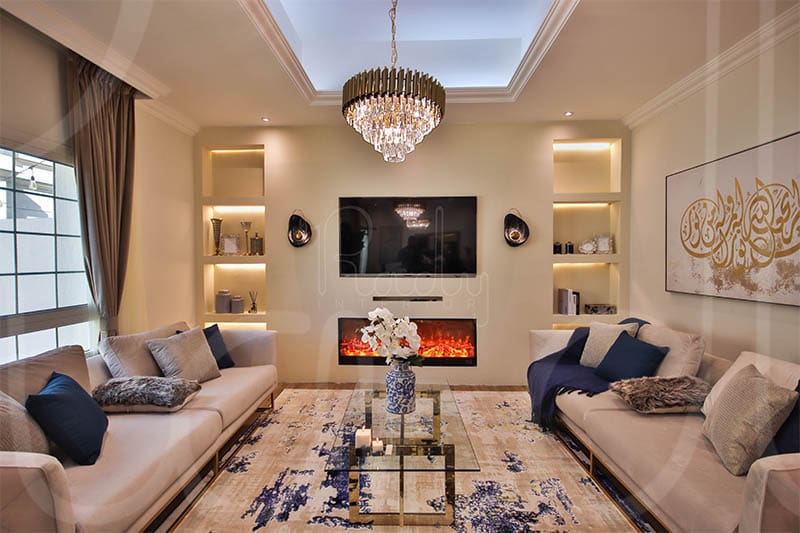
- Original villa layout was outdated and had poor ventilation.
- Redesign included open plan living, integrated lighting, modern finishes, and improved airflow.
- Outcome: brighter space, increased resale potential, significantly improved comfort all within a medium renovation budget range.
Business Bay Office Fit-Out (Corporate Suites):
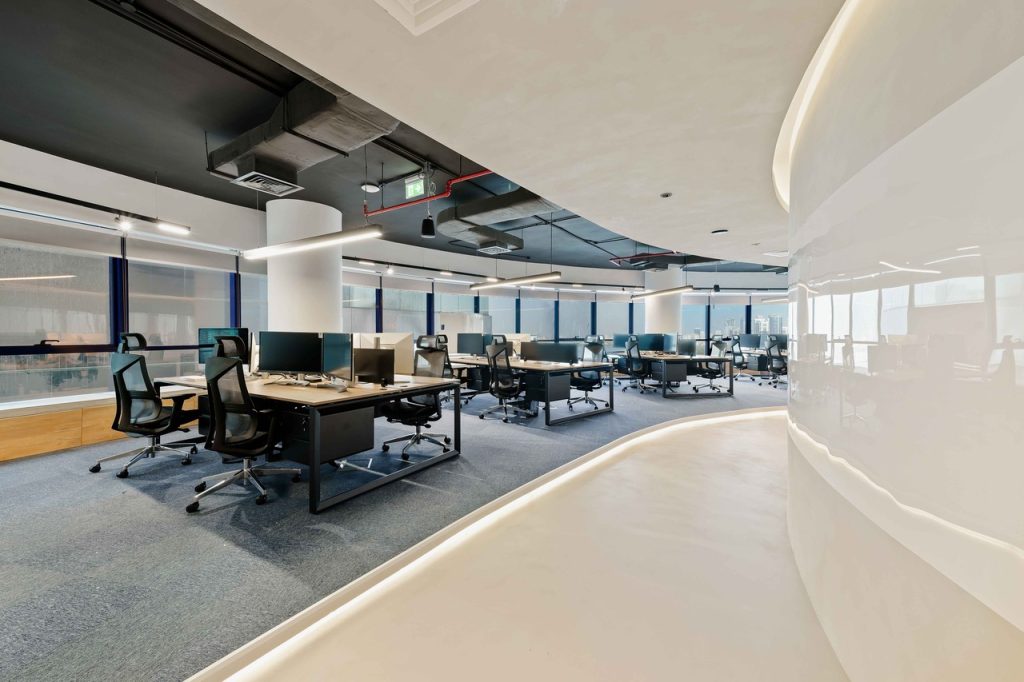
- Client needed a modern, brand-aligned office for 40 staff, with meeting rooms and open workstations.
- Full fit-out including partitions, cabling, HVAC upgrade, acoustic work.
- Turnkey completion in 14 weeks, minimal downtime client resumed operations immediately.
Retail Boutique (Mall Retail):
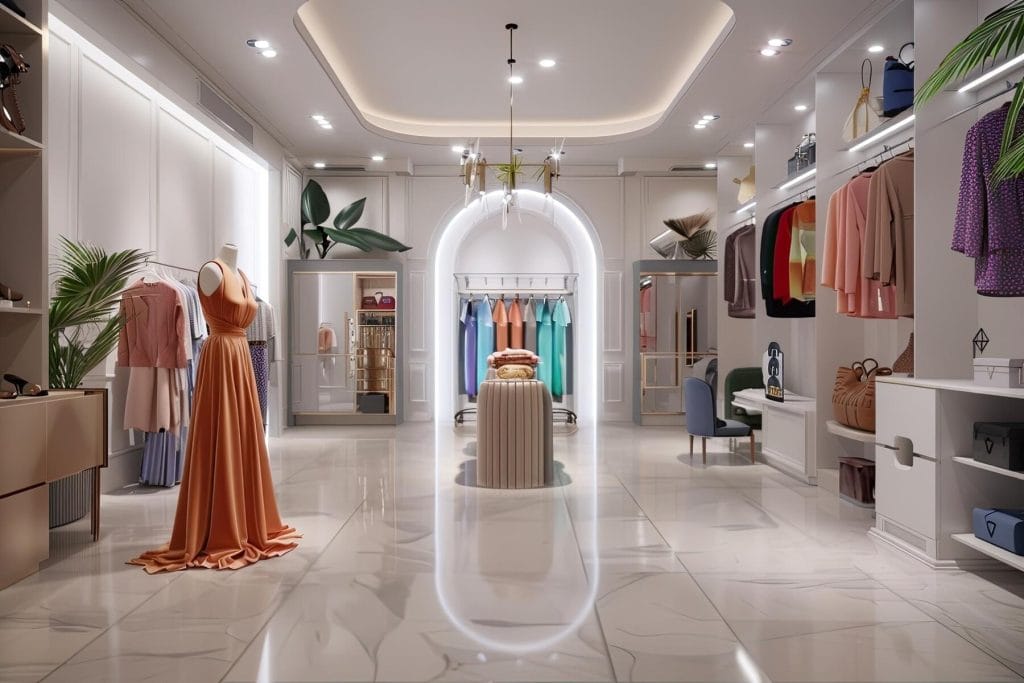
- Tight timeline and strict tower regulations.
- Custom joinery, lighting, display shelving, and signage within retail standards.
- Project delivered with full compliance, ready for store launch.
These are real world examples showing that thoughtful design + professional execution yield functional, compliant, and visually striking results.
Conclusion — Smart Design, Smart Investment
luxury Interior design Dubai is not just decoration it’s a strategic process requiring vision, technical skill, and local knowledge. From villas to offices, from retail to hospitality, the difference between a standard renovation and a successful, high value project lies in planning, transparency, and professional execution.
With a clear understanding of costs, realistic budgeting, and the right partner, you can transform any space into a functional, compliant, and luxurious environment built to last.
For clients who demand quality, compliance, and sophistication, a full service design and fit-out partner is not an option it is the only reliable choice.
FAQs
For light refreshes, AED 200–400/sq. ft.; for medium renovation, AED 400–800/sq. ft.; for full/luxury fit-outs, starting at around AED 1,000/sq. ft. depending on project scope and specifications.
Yes. A reputable design-build firm provides a detailed Bill of Quantities (BOQ) and cost breakdown after site survey covering materials, labour, compliance fees, and contingencies.
Timeline depends on scope. Light renovations often finish within 3–6 weeks; complete commercial fit-outs typically span 10–16 weeks, and luxury villa renovations may take 12–20+ weeks.
Most commercial fit-outs require approvals: building management NOCs, civil-defense permits, DEWA/utility upgrades, possibly DDA or municipal clearances depending on location.
Hidden costs such as MEP upgrades, import delays for materials, structural or compliance work, change orders, waste disposal fees, and final finishing adjustments frequently increase total cost by 10–30%.
Ensure a detailed BOQ and scope, lock in design before ordering materials, choose a transparent contractor, add a 15–20% contingency buffer, and confirm all compliance requirements before start.

Boutique Hotel Design: Creating Instagrammable Moments in Hospitality
Boutique hotel design in the UAE focuses on creating memorable, Instagrammable moments through stron

Building Refit & Refurbishment vs Full Renovation – Which Is Better in UAE?
Choosing between a refit, refurbishment, or full renovation can significantly impact the performance

Interior Fit-Out Companies in Dubai: How Luxury Projects Are Actually Delivered in the UAE
Luxury interior projects in Dubai require more than design aesthetics. Leading interior fit-out comp
