

Modern Arabic Majlis Design: How to Blend Heritage with Contemporary Luxury
Modern Arabic Majlis design reinterprets traditional hosting spaces using contemporary materials, neutral palettes, and refined layouts. By combining cultural principles of hospitality with modern European aesthetics such as greige tones, marble, brass accents, and flexible seating today’s Majlis spaces serve both formal and casual gatherings while aligning with luxury villa lifestyles in the UAE.
The Majlis Is Not Disappearing It’s Evolving
The Arabic Majlis has never been just a room.
It is a space of:
- Hospitality
- Conversation
- Respect
- Community
But in today’s villas, the traditional Majlis defined by heavy fabrics, deep reds, and ornate gold detailing no longer reflects how many families live and host.
In 2026, both modern locals and expats are seeking a new interpretation:
A Majlis that honors tradition, without feeling dated.
This shift has given rise to a new design language Contemporary Heritage.
What Is a Modern Arabic Majlis?
A modern Arabic Majlis preserves the function of traditional hosting while updating the form to suit contemporary living.
It is:
- Refined, not ornate
- Calm, not heavy
- Flexible, not rigid
This approach allows the Majlis to remain culturally meaningful while visually aligned with modern luxury interiors.
Redefining the Look: From Ornament to Restraint
Moving Away from Traditional Excess
Traditional Majlis interiors often relied on:
- Heavy red or burgundy upholstery
- Gold accents used extensively
- Pattern over pattern layering
While culturally rich, these interiors can feel visually dense in modern villas.
The Modern Palette: Greige, Marble, and Brass

Today’s modern Arabic Majlis design favors a more architectural palette:
- Greige tones for warmth without heaviness
- Marble surfaces for elegance and durability
- Brushed brass accents for subtle cultural reference
This palette creates a space that feels elevated, timeless, and globally relevant without losing its identity.
Layouts That Reflect How People Actually Host
One of the biggest changes in modern Majlis design is spatial planning.
Formal Majlis: For Traditional Hosting
The formal Majlis remains essential, especially for:
- Guests
- Family gatherings
- Cultural occasions
Key features include:
- Structured seating arrangements
- Balanced symmetry
- Calm, dignified atmosphere
This space communicates respect and tradition through proportion, not decoration.
Casual Majlis: For Daily & Social Use
Modern homes increasingly include a secondary, informal Majlis designed for:
- Close friends
- Evening conversations
- Relaxed hosting
Here, layouts are:
- Softer and more flexible
- Lounge oriented
- Less formal in seating hierarchy
Separating formal and casual Majlis zones allows one home to host different experiences without compromise.
Hospitality Reimagined: Smart, Subtle, and Seamless

Hospitality is the heart of the Majlis but how it’s delivered has changed.
Hidden Coffee & Beverage Stations
Instead of visible service counters, modern Majlis interiors integrate:
- Concealed coffee stations
- Flush cabinetry
- Discreet storage
This allows service without interrupting the visual calm of the space.
Lighting That Adapts to the Occasion
Smart lighting is transforming Majlis interiors.
Modern systems allow:
- Bright, welcoming light for daytime gatherings
- Warm, intimate moods for evening hosting
- Highlighting of architectural details
Lighting becomes a tool for atmosphere, not just visibility.
Modern Islamic Geometry: Mashrabiya Reinterpreted

Cultural identity does not require literal repetition.
How Mashrabiya Is Used Today
Rather than heavy carved panels, contemporary Majlis design uses:
- Clean geometric interpretations
- Laser cut metal or wood screens
- Subtle patterning integrated into walls or lighting
This approach references heritage without overwhelming the space.
Why Modern Majlis Design Appeals to Both Locals and Expats
The contemporary Majlis works because it respects function first.
It offers:
- A culturally appropriate hosting space
- A modern aesthetic aligned with global design
- Flexibility for different social contexts
This balance is why modern Arabic Majlis interiors are increasingly requested in luxury villas across the UAE.
Common Mistakes in Modern Majlis Design
Avoid these frequent errors:
- Over simplifying and removing cultural cues
- Copying European lounges without Majlis function
- Using decorative patterns without architectural integration
A successful Majlis is not themed it is thoughtfully interpreted.
Conclusion: Heritage Is Stronger When It Evolves
The Arabic Majlis is not bound to a single aesthetic.
Its strength lies in:
- Hospitality
- Connection
- Presence
By blending heritage with contemporary luxury, modern Majlis design ensures this cultural space remains relevant, functional, and deeply meaningful now and for future generations.
Book a Majlis Design Consultation to explore how contemporary design can honor tradition while enhancing modern villa living.
FAQs
A modern Majlis maintains traditional hosting functions while using contemporary materials, layouts, and lighting.
Yes. Contemporary Majlis design is specifically suited to mixed cultural and modern living environments.
Not mandatory, but highly effective for homes that host frequently.
Through proportion, layout, geometry, and subtle material references rather than heavy decoration.

Interior Fit-Out Companies in Dubai: How Luxury Projects Are Actually Delivered in the UAE
Luxury interior projects in Dubai require more than design aesthetics. Leading interior fit-out comp
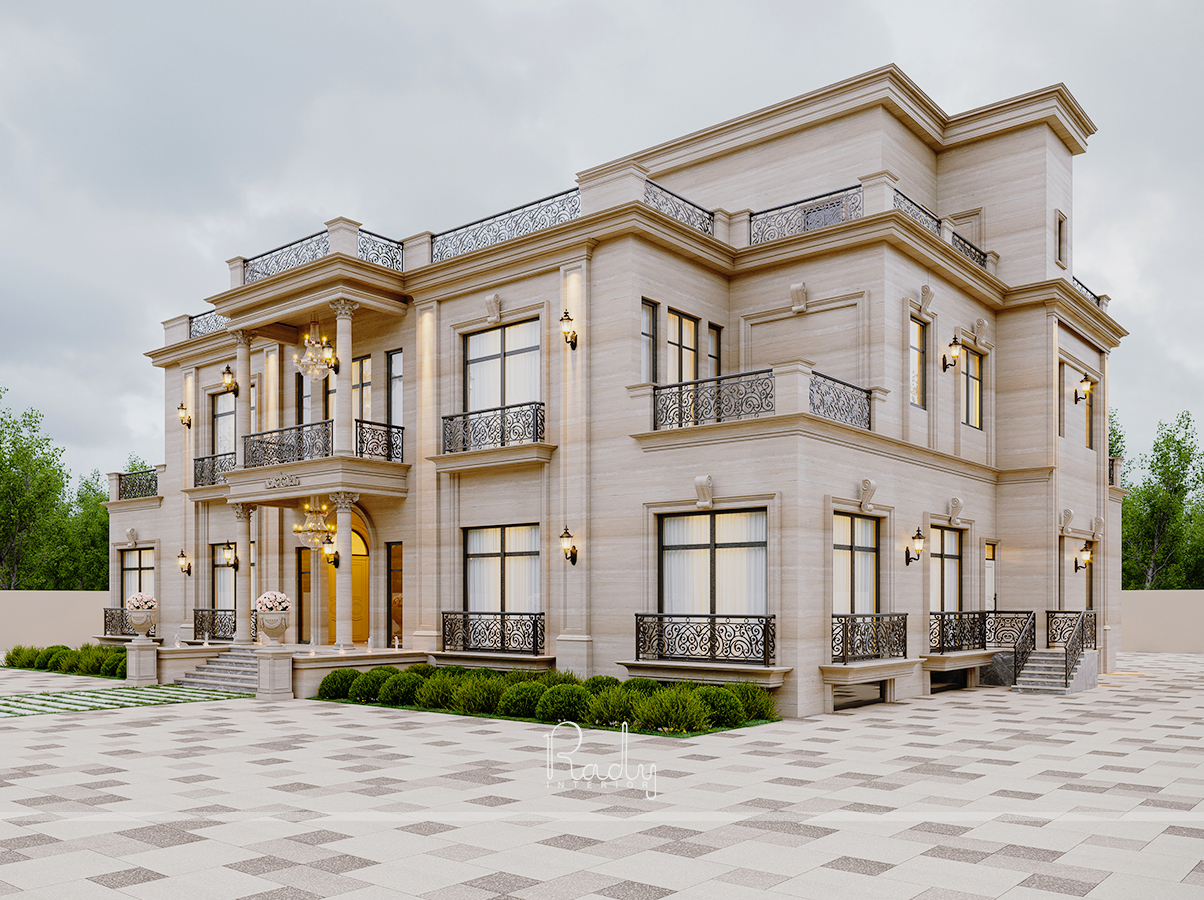
Villa Facade Makeover: Modernizing Traditional Dubai Homes for 2026
The Renovation Mistake Most Dubai Villa Owners Make Renovate the interiors.Upgrade the kitchen.Redes
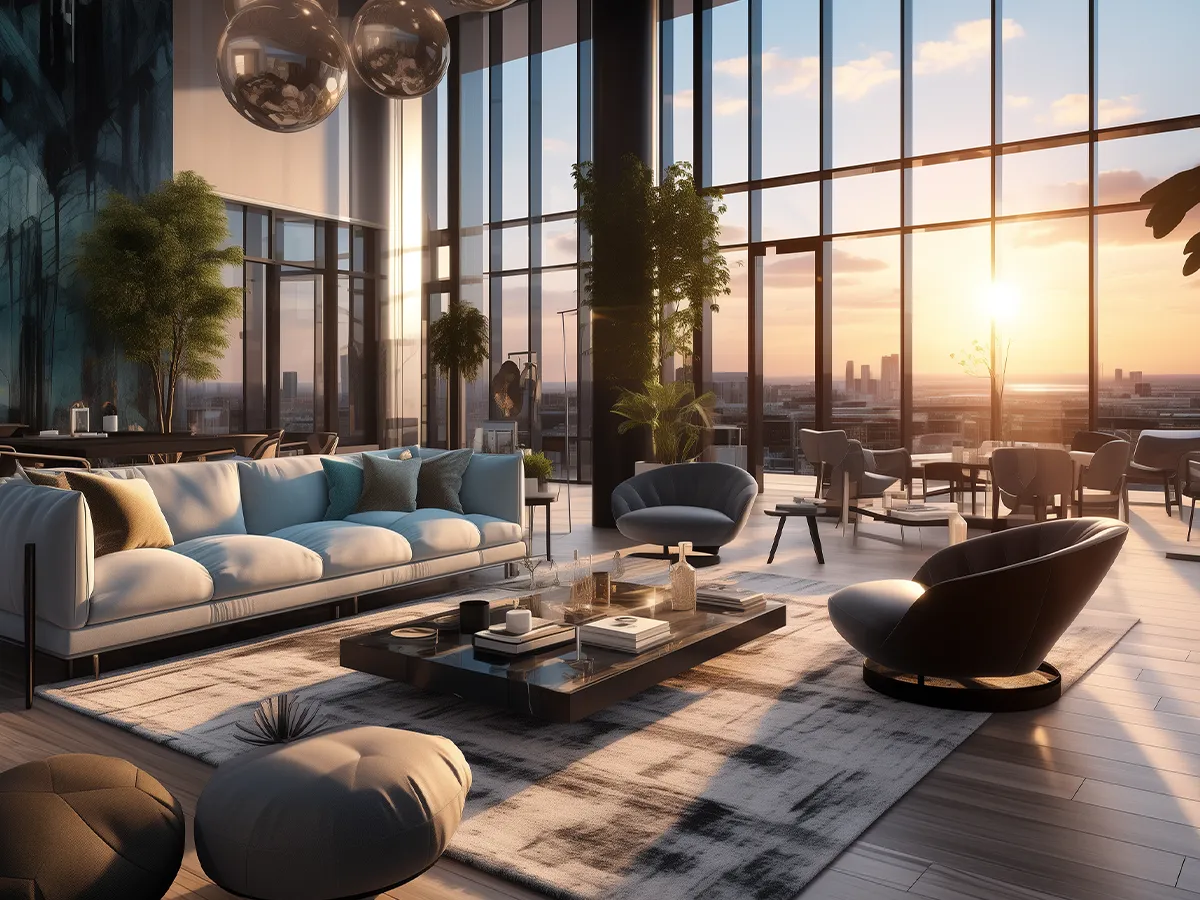
Full Service Interior Renovation in Dubai: How to Choose the Right Fit-Out Partner
hoosing the right full-service interior renovation partner in Dubai can determine whether your villa
