



Interior Design Company in Dubai: Expert Insights on Choosing Right Firm
Looking for a best Interior Design Company in Dubai that gets it right the first time? The right partner saves time, money, and stress, and turns your home or business into a place that feels good every day. Think warm earth tones, natural materials, plants, soft curves, matte finishes, and smart controls, the 2026 look is calm, useful, and personal.
This guide shares expert insights drawn from real project needs in Dubai. You will see what makes a firm great, the design trends that matter in 2026, how to choose the right firm, and what to expect for plan, budget, drawings, approvals, timeline, and cost. If you want a quick overview of service scope, start with these Interior Design Services in Dubai.
Take note of the must-haves and red flags as you go. The goal is simple: hire with confidence and enjoy the process, not just the outcome.
What Makes an Interior Design Company in Dubai Truly Great
Great design looks effortless, but it is built on skill, planning, and local insight. When you hire an Interior Design Company in Dubai, you are trusting a team to manage space, budget, time, and risk. The best firms combine creativity with method. They care about how your space feels day to day, not just how it looks on handover day.
Below are the five pillars that separate good from great.
Proof in the portfolio, not promises
A strong portfolio is the best predictor of your result. Ask to see recent, similar work and look for variety.
- Match your type: apartment, villa, office, retail, or F&B. If you want a 3-bedroom apartment makeover, a hotel lobby alone will not help you judge fit.
- Range shows control: minimal, classic, modern Arabic, or luxury hospitality. Range proves the team can shift style without losing function.
- Zoom in on finish quality in photos. You should see:
- Joinery seams that line up and sit flush.
- Stone edges that are clean, with even chamfers.
- Lighting fixtures aligned in straight lines and centered over key elements.
- Grout lines that are thin, even, and consistent across the room.
- Look for more than renders. Ask for site photos during build, plus final shots. Renders are helpful, but real site images reveal workmanship and problem solving.
- Ask for budget outcomes. A great firm shows they hit budgets and deliver repeatable results, not just one off showpieces.
Tip: Request one short case study showing the brief, constraints, budget band, drawings, site progress, and close-ups of finishes. This keeps the review grounded in facts.
Deep local know-how and cultural fit
Dubai has unique climate factors and social needs. A great designer knows how homes and businesses actually run here.
- Climate-smart choices: Heat, glare, humidity, and dust shape materials and systems. Think UV-protected fabrics, sealed joinery, anti-glare lighting, and ventilation that keeps AC loads steady and mold at bay.
- Planning for sun and AC: West-facing rooms need shading, high-performance glass, and properly sized AC. Open kitchens need better extraction and make-up air to keep smells from drifting.
- Cultural details that support daily life:
- Majlis flow with easy hosting and clear guest paths.
- Privacy for family areas and separate zones for staff when needed.
- Dedicated prayer areas with subtle storage and correct orientation.
- Built-in shoe storage near entries to keep floors clear and clean.
- Heritage with a modern touch: Use mashrabiya patterns, carved panels, and Arabic geometry with simple lines and calm palettes so the space feels current and local, not themed.
- Strong vendor network: Local stone suppliers, high-quality joinery shops, and upholsterers who know Gulf standards for comfort and durability.
For inspiration on blending tradition and modern living, explore these ideas on Islamic interior design. A Best Interior Design Company in Dubai designs for Dubai, not a copy-paste from somewhere else.
Technical skill and compliance, from MEP to fire safety
Beautiful spaces fail without solid engineering. Your designer should coordinate design with mechanical, electrical, and plumbing from day one.
- Integrated drawings: Reflected ceiling plans, lighting layouts, power and data, and plumbing routes must align with furniture and joinery. This avoids clashes and holes in ceilings later.
- Lighting and comfort: Proper circuit planning, dimming by zone, and correct color temperature for each room. AC balancing, return air placements, and diffuser selection make the room feel good, not just look good.
- Approvals and standards: Knowledge of local authority approvals, mall and building rules, and fire codes protects your timeline. Fire-rated doors, emergency lighting, and safe material choices are non-negotiable.
- Smart home that works: Choose reliable brands with local support. Keep control systems simple to use, with manual overrides in case tech fails.
- Precise specs reduce change orders: Detailed drawings, schedules, and product data sheets save time on site and prevent rework.
If your project will include fit out, review these reliable interior fit out services in Dubai. A fit out expert company closes the gap between design intent and build reality.
Clear process, budget control, and honest communication
Great design teams do not wing it. They follow a clear process, share numbers, and keep you updated.
- Step-by-step plan: Brief, concept, schematic design, detailed design, documentation, procurement, construction, snagging, and handover. You should know where you are and what comes next.
- Visual alignment: 3D visuals and material boards help you see the space, scale, and light. They also prevent surprises when finishes arrive.
- Itemized BOQ: A bill of quantities with brands, model numbers, quantities, unit rates, and lead times. You can value-engineer with facts, not guesswork.
- Regular updates: Weekly summaries with site photos and a short list of decisions needed. Quick answers keep progress steady.
- Clear variations: Any change to scope, time, or cost comes with a written note and your approval before work starts.
For complex timelines or multi-trade sites, consider expert project management for interior design projects. Strong oversight keeps budgets and schedules on track.
Reliable suppliers and warranties after handover
Quality shows up in the last ten percent. The right partners and strong aftercare protect your investment long after the ribbon cut.
- Trusted network: Craftsmen, installers, and global brands that stand behind their products. Local service centers matter when something needs a tweak.
- Realistic lead times: Custom sofas, joinery, and stone take time. A great firm plans procurement early so the schedule holds.
- Quality checks: Factory inspections before shipping and site checks before installation catch problems while fixes are still easy.
- Snagging and closure: A complete snag list with dates for fixes, plus clean documentation. You should receive manuals, care guides, and final drawings as built.
- Warranties in writing: Clear coverage for finishes, hardware, appliances, lighting, and smart systems. One point of contact for support avoids finger-pointing.
- Clean handover: Dust-free rooms, protected floors, and labeled panels. On-time delivery with a tidy site is a mark of respect.
Great firms are licensed, insured, and experienced. That protects you in contracts, on site, and with authorities. When you add it all up, the best Interior Design Company in Dubai proves quality in the portfolio, respects local life, gets the technicals right, runs a tight process, and stands by the work after you move in.
Top Interior Design Trend in 2026 Used by firms
Top Interior Design Companies in Dubai treat trends like a tool kit, not a rule book. They pair fresh ideas with timeless pieces, so your space looks current without aging fast. The aim is quiet luxury, smart comfort, and details that feel crafted, not loud. A skilled Interior Design Company in Dubai will help you choose what fits your life, then anchor it with classics that hold value.
Materials and finishes that feel rich, not loud
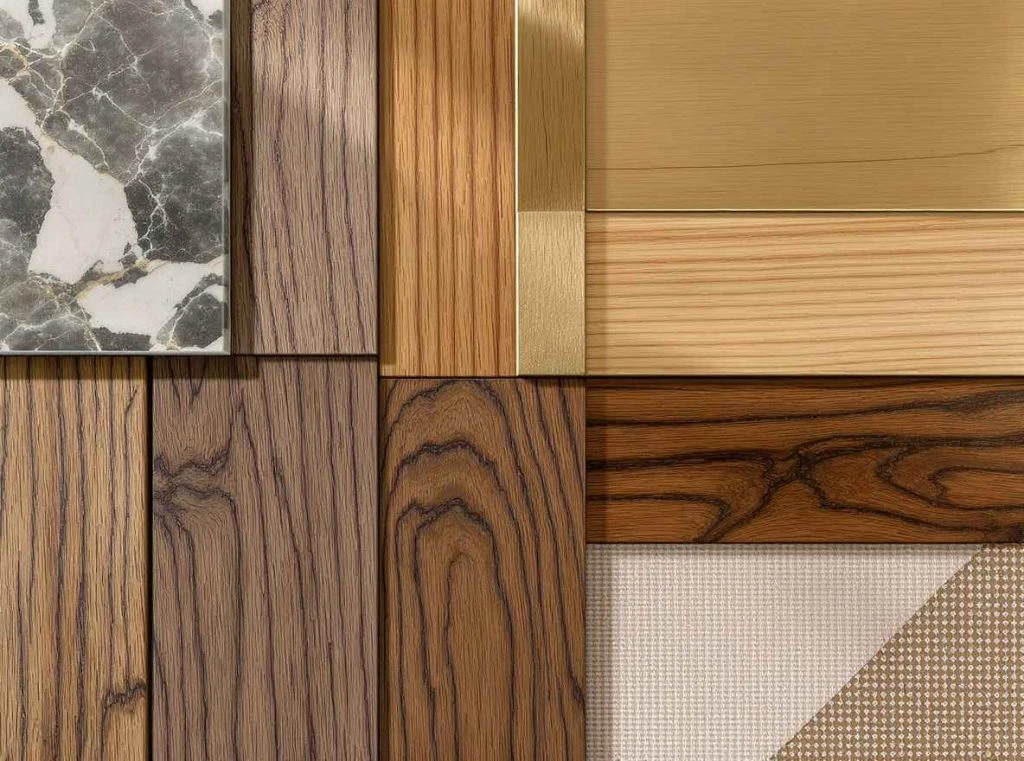
Great rooms start with texture and touch. Mix materials for contrast that reads calm, not busy.
- Stone with wood for grounded warmth.
- Metal with textured paint for depth and light control.
- Matte or satin finishes instead of high gloss for a soft, enduring glow.
Use noble materials in the right places. Marble on a vanity top, bronze pulls on a credenza, a limestone threshold at the entry. Reserve the best for focal points to avoid visual fatigue.
Focus on craft in the details. Think fine joinery with even reveals,customized upholstery with firm corners, and clean edges that line up across planes. These small moves signal quality without shouting. If you want material ideas that suit local light and heat, review practical picks in Modern materials for Dubai interiors.
Warm desert palettes that age well
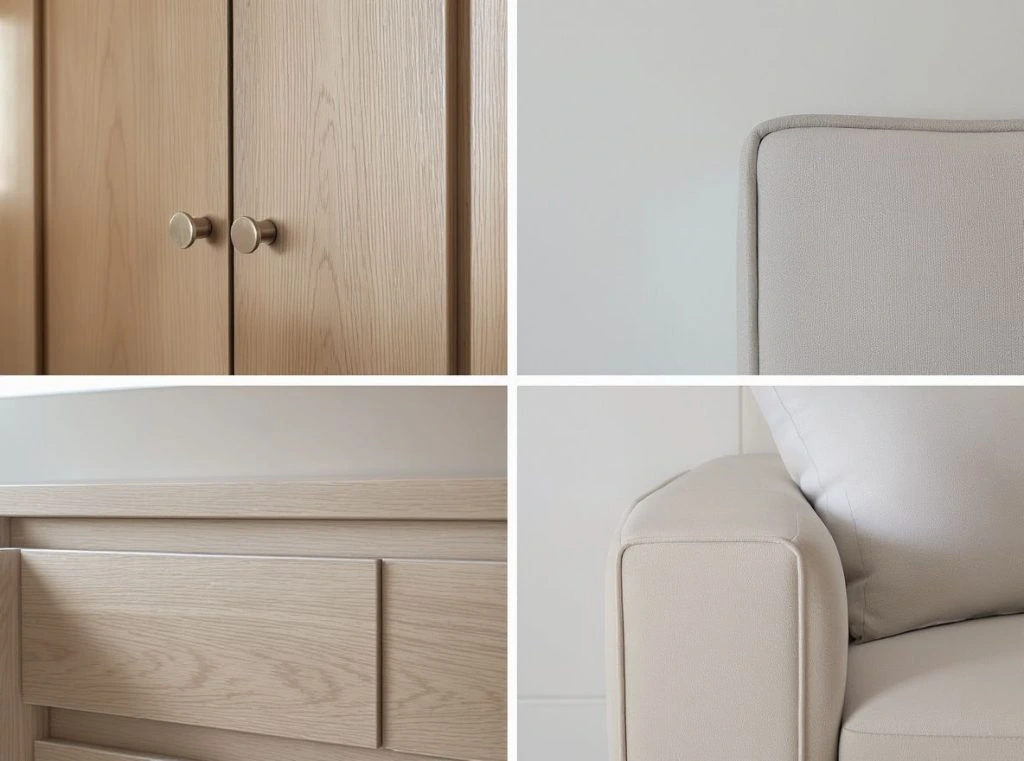
All-white rooms feel flat in strong Gulf light. 2025 shifts to gentle warmth inspired by the desert.
- Build the base with beiges, taupes, sand, olive, and date tones.
- Bring in texture with wool rugs, linen drapery, and open-weave throws.
- Add art with quiet color fields or ink drawings for mood.
Keep high-chroma colors as accents. A saffron cushion, a teal vase, a single patterned runner. This approach keeps the room restful, and it lets you swap accents over time without repainting walls or changing big furniture.
Tip: Pair olive cabinetry with satin brass hardware and a honed travertine counter. It feels rich and grounded, not glossy or cold.
Biophilic design and better indoor air

Spaces feel better when they connect to nature. Plants soften edges, absorb sound, and steady the eye.
- Add potted trees by windows, planters at room dividers, or an easy-care green wall where light allows.
- Choose natural textures like linen, rattan, and open-grain wood for a tactile link to the outdoors.
- Plan airflow with supply and return points that reach corners, so you do not end up with stale pockets.
Use low-VOC paints and adhesives to cut chemical load. This matters in sealed apartments and villas. Better air helps sleep, focus, and mood. For ideas that blend greenery with design, explore these biophilic design ideas. A thoughtful Interior Design Company in Dubai will weave planting, light, and airflow into the first plan, not as an afterthought.
Smart home, lighting, and acoustic comfort
Tech should serve the room, not run it. Keep controls simple and scenes easy.
- Layer light in three parts: ambient for glow, task for work, accent to highlight art or texture.
- Use sensors, dimmers, and day-night scenes to save energy and set pace.
- Plan speakers, soft panels, and rugs to calm echo, which is common in tall rooms and open plans.
- Hide cables and hubs in a ventilated cabinet for a clean look and painless maintenance.
Pick reliable systems with manual override and local support. That way the space still works if the app fails. For integrated controls that do not take over the design, see smart home integration services.
Example scene setup:
- Morning: cool-white task lighting at the kitchen, soft ambient in living.
- Afternoon: daylight sensor trims output to cut glare.
- Evening: warm ambient at 20 percent, art lights at 50 percent, TV bias light on.
Heritage details, modern methods
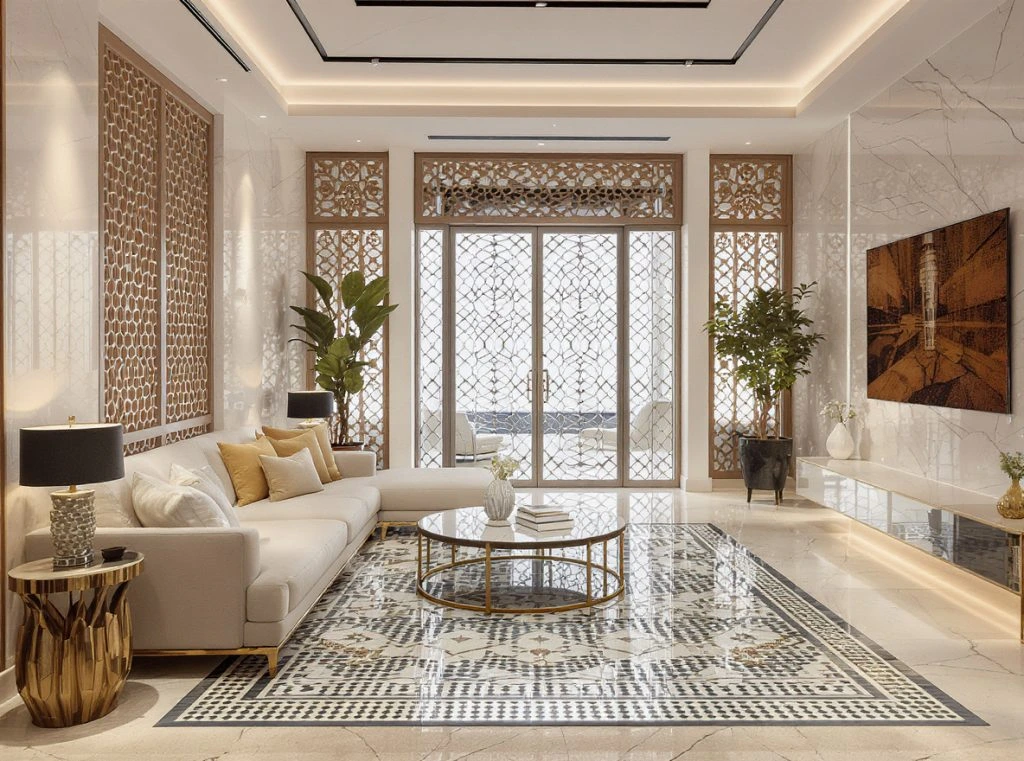
Heritage adds soul when it is focused and clear. Reimagine, do not replicate.
- Reinterpret mashrabiya as screens, cabinet doors, or shading that filters sun and frames views.
- Use mosaics on a feature floor, shower wall, or bar front to add texture and story without clutter.
- Blend Arabic geometry with clean lines so the space stays current and calm.
Keep the balance. A few strong moments beat many small accents. Think one carved screen casting patterned light across a simple plaster wall. Or a mosaic medallion in a powder room with plain stone everywhere else. For tasteful references, browse Arabic interior design elements.
Key takeaway: choose trends that fit your daily flow, then ground them with quality basics. When an Interior Design Company in Dubai guides you to matte finishes, warm desert palettes, nature-forward choices, quiet tech, and focused heritage, you get rooms that feel good now and still make sense five years from today.
How to Choose the Best Interior Design Company in Dubai for Your Project
Choosing a top Interior Design Company in Dubai is part art, part due diligence. You want a team that gets your taste, respects your budget, and runs a tight site. Use this step-by-step path to move from idea to signed contract with confidence.
Set your brief, budget, and timeline first
A clear brief keeps every meeting focused and every quote honest.
- List rooms, functions, and storage needs. Be exact. Write down how you live, cook, work, host, and relax.
- Collect 10 to 15 reference images that show your style. Note what you like in each image, such as color, layout, lighting, or materials.
- Set a budget range and a top cap. Decide your comfort zone and the absolute ceiling. Share both, it helps firms propose smart options.
- Mark key dates, like move-in or opening day. Add cushion for approvals and custom items.
Tip: Save a folder on your phone with photos of existing items that must stay. It avoids rework and keeps the look consistent.
For added context on picking the right partner, review these expert tips in the guide to selecting top interior design companies in Dubai: https://radyinterior.ae/interior-design-firms-in-dubai/
Shortlist and check licenses, insurance, and references
Good fit starts with relevant work and clean paperwork.
- Pick 3 to 5 firms with matching work. Prioritize those who have done your type of space and budget band.
- Ask for trade license and insurance proof. You want valid coverage for public liability and worker safety.
- Call two recent clients about process and aftercare. Ask about schedule, budget changes, and how the team handled snags.
- Visit one live site if possible. Look for tidy storage, labeled boxes, and clear safety signs. Order on site hints at order in management.
Note what you feel in meetings. Do they listen, or do they push? Fit matters as much as style.
Compare proposals: scope, drawings, and itemized costs
Price alone will not tell you the real story. Compare the structure behind the number.
- Look for clear scope, roles, and deliverables. The document should state who does design, approvals, procurement, and supervision.
- Expect mood boards, 3D views, and technical drawings. These align taste early and reduce changes later.
- Review itemized BOQ with brands and lead times. Model numbers, finishes, quantities, and delivery weeks should be listed.
- Check the project plan with milestones and approvals. You want dates for sign-offs, site start, inspections, and handover.
Smart move: ask for one alternative value option per major item, such as the stone, flooring, or lighting line. This helps you control cost without losing the look. For more practical hiring advice, see the 10 tips for selecting the best interior designers in Dubai.
Ask these questions in the design interview
Your questions reveal how the team runs projects when things get real.
- Who will be my day-to-day contact and site lead? Get names, not just titles.
- How do you manage changes after sign-off? Ask about a written variation process and how it affects time and cost.
- What vendors do you trust for joinery, stone, and lighting? Look for shops with factory visits and local service.
- How do you handle delays or damaged goods? You want clear steps, backup suppliers, and a tracking log.
Bonus asks:
- What is your snagging plan and warranty coverage?
- How do you coordinate MEP with interior drawings to avoid clashes?
Spot red flags before you sign
Avoid pain later by reading between the lines now.
- Very low fees or too-fast timelines with no detail. This often means thin drawings and rushed site work.
- No mention of approvals or compliance. In Dubai, ignoring building rules or fire codes risks stop-work orders.
- Vague warranties or no snagging plan. You need dates, coverage, and a single contact for fixes.
- Pushy behavior or poor listening in meetings. If they dismiss your concerns now, it will be worse on site.
Bottom line: the right Interior Design Company in Dubai will document the process, price transparently, and communicate clearly. When the scope is clear, drawings are detailed, and supervision is strong, your project stays on budget and on time.
Process, Timeline, and Costs: What to Expect
Here is the clear path a reliable Interior Design Company in Dubai will follow. You will see how ideas turn into drawings, how approvals move, what gets ordered when, and what you pay at each step. Timings shift with size and custom work, but the structure stays the same.
To see how these stages stack up in real projects, skim this breakdown of Interior Design Process Phases Explained. It pairs well with the outline below.
From concept to 3D to technical drawings
Great outcomes start with a tight brief and accurate site data. Then the team builds clarity with visuals, samples, and full documentation.
- Discovery and site measure: photos, survey, and brief.
- Walkthrough, photos, and a measured survey.
- A written brief that lists needs, style cues, must-keep items, and budget band.
- Typical duration: 3 to 7 days for apartments, 1 to 2 weeks for villas or offices.
- Concept and mood: 1 to 2 weeks for direction and key ideas.
- Two to three mood directions with color, finishes, and reference images.
- Early space planning to set zones and flow.
- You choose a direction, then the team refines.
- 3D visuals and materials: align on look and budget.
- 3D renders or a styled SketchUp/Enscape model for key rooms.
- Physical samples for stone, wood, fabrics, and metal. One mockup if the detail is complex, such as a custom joinery door profile.
- Cost check against the target budget so the design fits your numbers.
- Typical duration: 2 to 4 weeks, more if several rooms need deep customization.
- Technical drawings: plans, elevations, lighting, and joinery details.
- Full drawing set with reflected ceiling plans, power and data points, flooring patterns, and detailed joinery.
- Door and ironmongery schedules, sanitary and tile schedules, and switch layouts.
- This is the build bible that fit-out teams price and install from.
- Typical duration: 2 to 4 weeks based on scope.
Example outputs by stage:
- Concept: mood boards, preliminary plan, inspiration set.
- Design development: 3D visuals, sample board, outline bill of quantities.
- Documentation: dimensioned plans, elevations, sections, and schedules.
For custom heavy projects, review this guide to the Bespoke Interior Design Timeline for 2026. It shows how unique pieces affect time.
Permits and approvals in Dubai, made simple
Approvals protect safety and structure. A good firm keeps paperwork clean and follow ups steady so the site team does not sit idle.
- Expect reviews for fire safety, MEP, and structural changes.
- Any wall change, wet area move, or kitchen gas line triggers checks.
- Fire-rated doors, exit routes, and smoke detectors must match code.
- A good firm prepares correct drawings and follows up.
- Submit coordinated drawings with clear notes and correct layers.
- Track comments, revise quickly, and resubmit without guesswork.
- Clear timing plan helps avoid idle weeks on site.
- Typical approvals: 2 to 6 weeks based on scope and building.
- Plan documentation while 3D visuals are reviewed, then submit at once.
- Landlord and building rules also guide what is allowed.
- Mall fit-outs, towers, and gated communities have their own standards.
- Work hours, noise limits, and loading dock rules affect schedule.
Tip: Ask for an approvals tracker that lists authority, status, latest comment, and next action with a target date. It prevents slow drift.
Procurement, fit-out, and site supervision
Once design is signed off, the action moves to orders and build. Early procurement and tight sequencing protect both time and finish quality.
- Order long-lead items early: lights, stone, custom furniture.
- Typical lead times:
- Imported lighting: 4 to 8 weeks.
- Stone slabs and fabrication: 3 to 6 weeks.
- Custom joinery and wardrobes: 4 to 10 weeks.
- Sofas and rugs: 6 to 12 weeks.
- Place deposits right after approvals to lock production slots.
- Typical lead times:
- Fit-out schedule with trades in the right sequence.
- Demolition and MEP rough-in, then ceilings, floors, paint, and joinery.
- Final finishes, fixtures, and clean. Keep boxing and protection on until snagging.
- Regular site checks for quality and safety.
- Designer and site lead inspect setting-out lines, heights, and alignments.
- Approve one sample area before rolling out full installation.
- Photo updates and weekly reports keep everyone aligned.
- Short weekly notes: progress, decisions needed, risks, and next steps.
- A shared snag list during build stops flaws from piling up.
Handover, snagging, and aftercare
Handover is a process, not just a date. The aim is a clean finish, clear documents, and fast fixes.
- Detailed snag list with fixes before move-in.
- Check paint touch-ups, door swing, hardware alignment, silicone lines, and lighting focus.
- Log each item with a photo, trade, and target date.
- Handover pack: warranties, manuals, paint codes, and contacts.
- Include final approved drawings, as-built updates, appliance papers, valve maps, and maintenance guides.
- A short post-move visit to adjust lights and hardware.
- Return in one to two weeks to aim spotlights, tweak door closers, and check cabinet hinges.
- Clear aftercare process builds long-term trust.
- One point of contact, response times in writing, and warranty durations by item.
Budget ranges and payment milestones to plan for
Know the drivers, plan for surprises, and keep cash flow linked to real progress. This is how you protect the budget without blocking momentum.
- Main cost drivers: size, materials, custom work, and tech.
- Size and scope drive labor and material volumes.
- Materials swing cost fast, such as marble vs porcelain, solid wood vs veneer.
- Custom joinery, smart systems, specialty lighting, and acoustic work add premium layers.
- Keep a 10 to 15 percent contingency for surprises.
- Use it for hidden site conditions, late design changes, or shipping issues.
- Track every drawdown so the buffer is not quietly spent.
- Common payment plan: design fee in stages, fit-out in milestones.
- Design fee pattern: 30 percent on kickoff, 40 percent at 3D sign-off, 30 percent at documentation issue.
- Fit-out pattern: 30 percent mobilization, 30 percent mid-way, 30 percent post-install, 10 percent after snag closure.
- Tie payments to deliverables, not vague dates.
- Itemized costs and change logs keep money talks clear.
- BOQ with brands, model numbers, and lead times.
- A written variation for any change to scope, cost, or time, approved before work starts.
If you want more detail on how custom elements impact budgets and timelines, the Dubai Bespoke Interior Process and Budgeting Tips are a helpful read.
Key takeaways:
- Lock the brief early, then use 3D and samples to avoid late changes.
- Submit clean drawings to speed approvals and protect the site start.
- Order long-lead items first, then build around delivery dates.
- Pay in stages tied to real outputs, keep a 10 to 15 percent buffer, and track changes in writing.
This is the rhythm you should expect when you hire a seasoned Interior Design Company in Dubai. Steps stay steady, while details flex to your space, budget, and style.
Conclusion
A great Interior Design Company in Dubai blends strong design, respect for local rules, and clear project care so your space works as well as it looks. Start with the checklist you built here, portfolio fit, licenses, process clarity, itemized costs, and real aftercare, then move with intent.
Shortlist two or three firms and book interviews this week. Bring a tight brief and a few photos to speed decisions and keep quotes honest. If you need a curated starting point, review these Top Interior Design Companies in Dubai.
Choose with confidence, and enjoy the calm that comes from a well-run design process that looks beautiful and lasts for years.
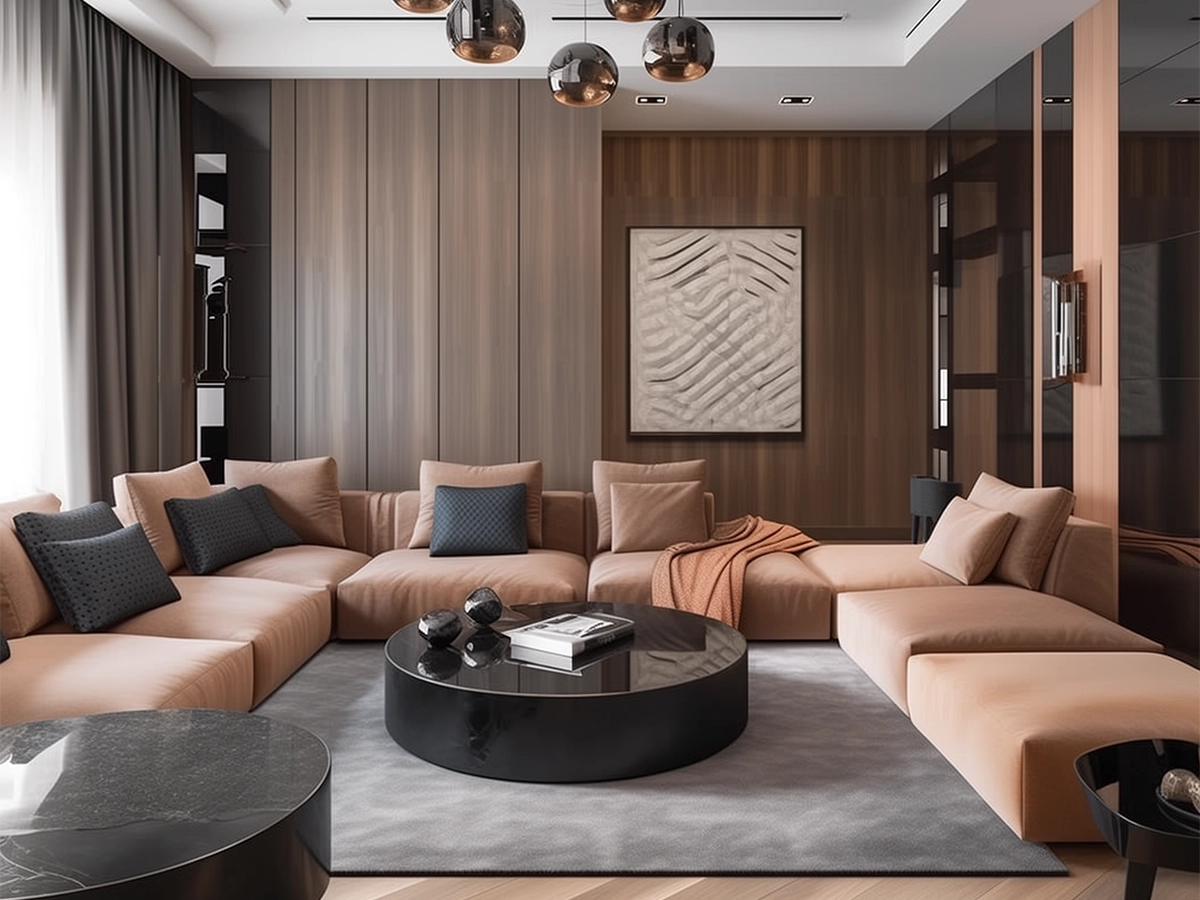
Living Room Layouts in Dubai: Stylish Ideas for Every Space
Dubai is famous for its luxurious lifestyles and remarkable architecture; therefore, it has become a
Modern Kitchen Rack Design Ideas for a Clutter-Free Kitchen
The kitchen is one of the most functional spaces in a house. You need to keep your utensils and appl
The Ultimate Guide to Wall Paneling in 2026: Wood, PVC & 3D Designs
Interior design in 2026 has moved decisively beyond flat paint and wallpaper. Across Dubai villas an
